


Examining the role of polyamide in the aluminum thermal break window:
In addition to all its advantages, aluminum has a high heat transfer coefficient of about 203 w⁄m2k, which causes energy to be wasted in aluminum doors and windows. Aluminum is a conductive metal with a high heat transfer coefficient, in metals, the heat transfer coefficient is indicated by Landa, whose unit is watts per square meter per degree Kelvin.
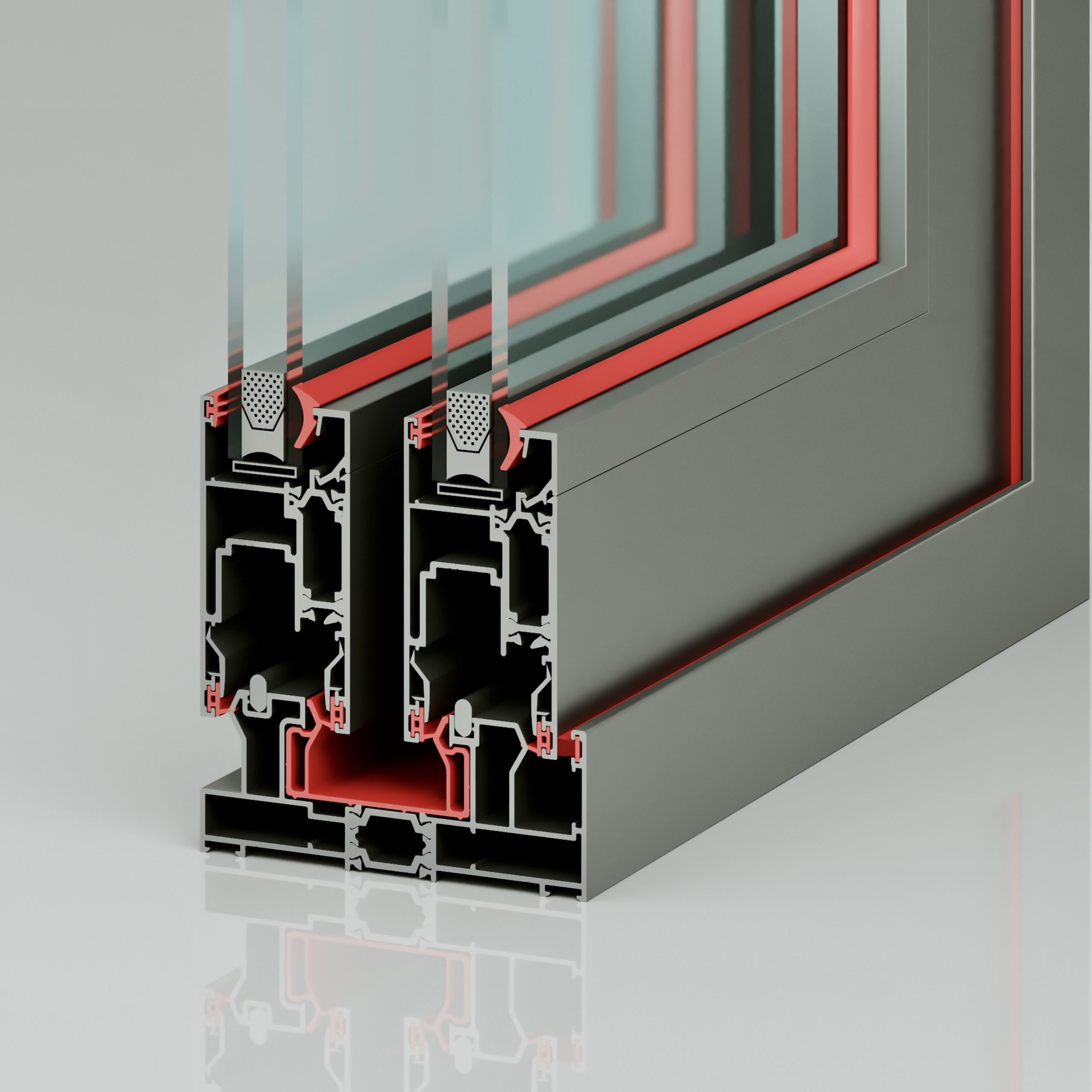
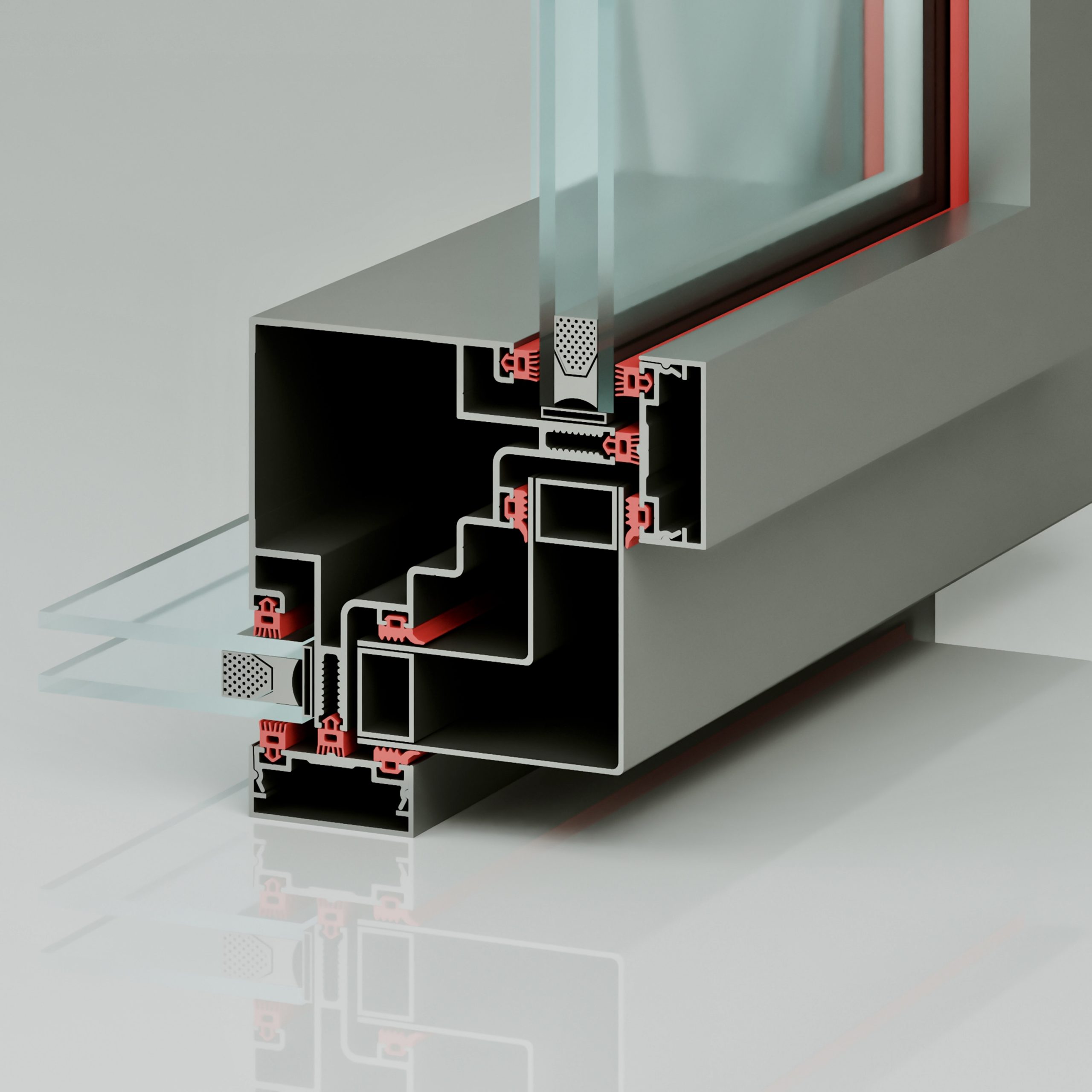
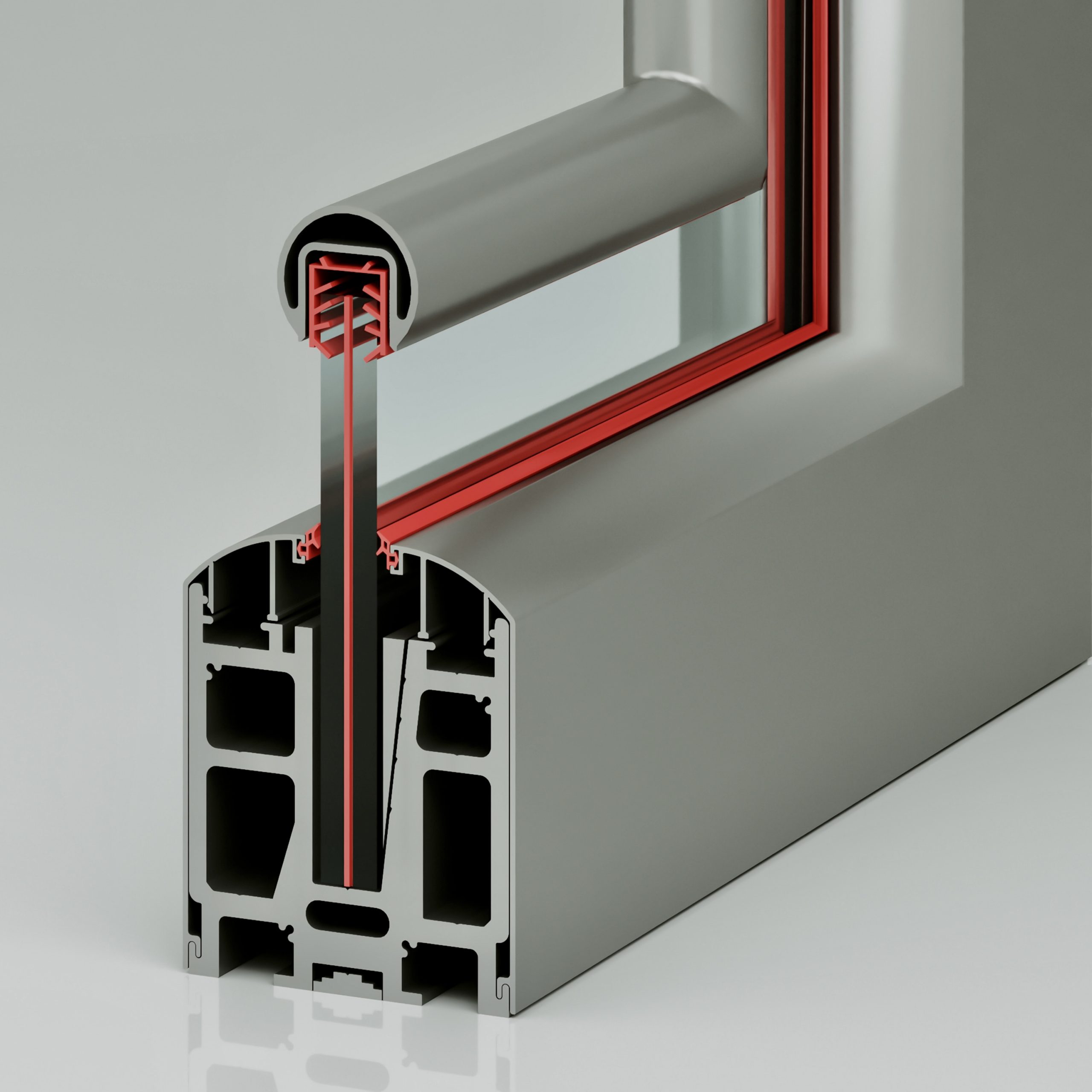
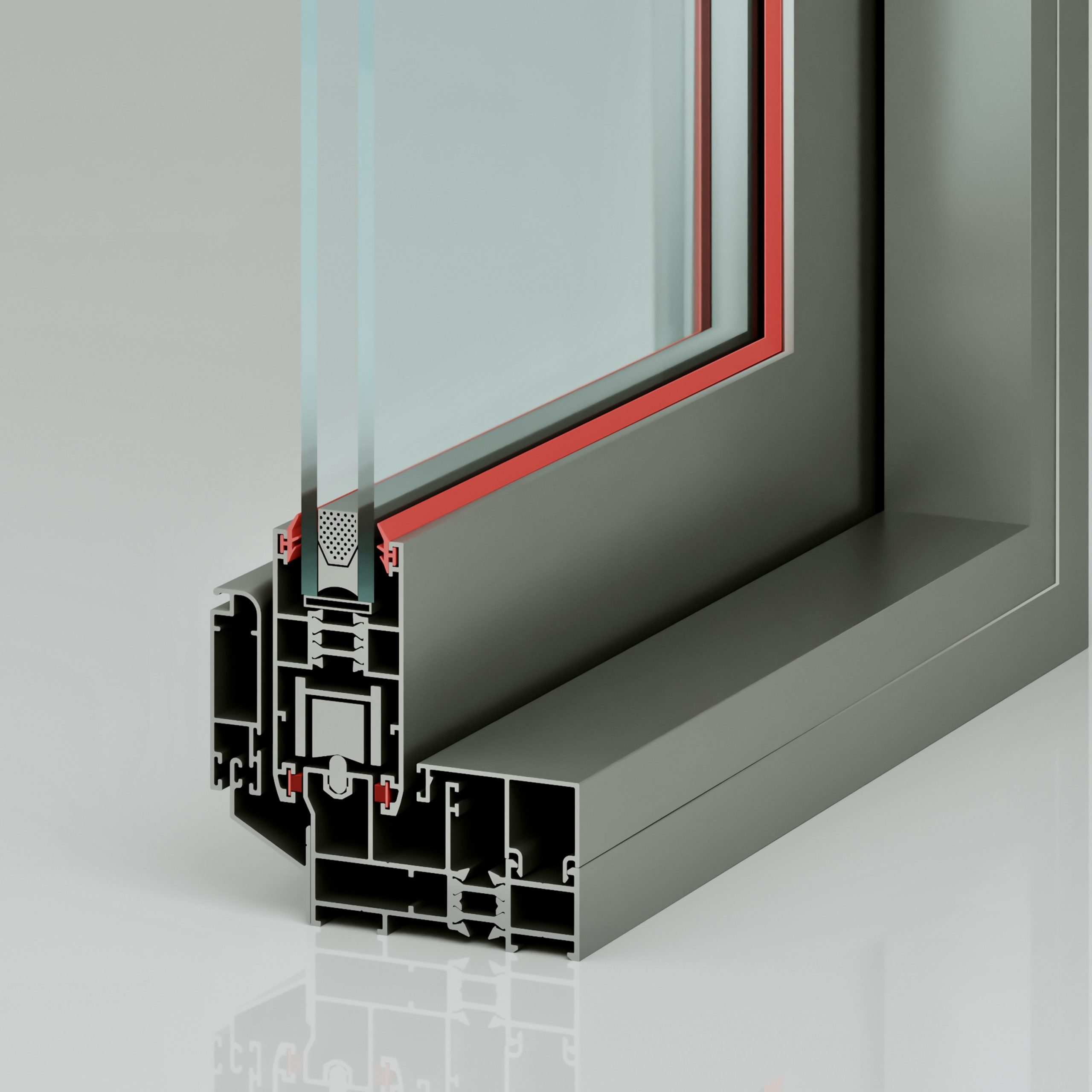
The coefficient of heat transfer for aluminum alloy 6063, which is used in the production of upvc doors and windows, is equal to w⁄m^2k 203, which is a very high coefficient. Therefore, to insulate aluminum doors and windows, polyamide blades are used between aluminum profiles, and these windows are called thermal breaks. The role of polyamide in thermal break windows is actually insulation between The outer wall and the inner wall of the window are actually cut off by the polyamide blade.
The use of polyamide blades in aluminum profiles for the production of double-glazed windows causes the heat transfer coefficient of aluminum to decrease from 203 to below 4. In fact, polyamide interrupts the conductivity in aluminum alloy. Profile specifications, shape and placement of polyamide are very important in determining this number.
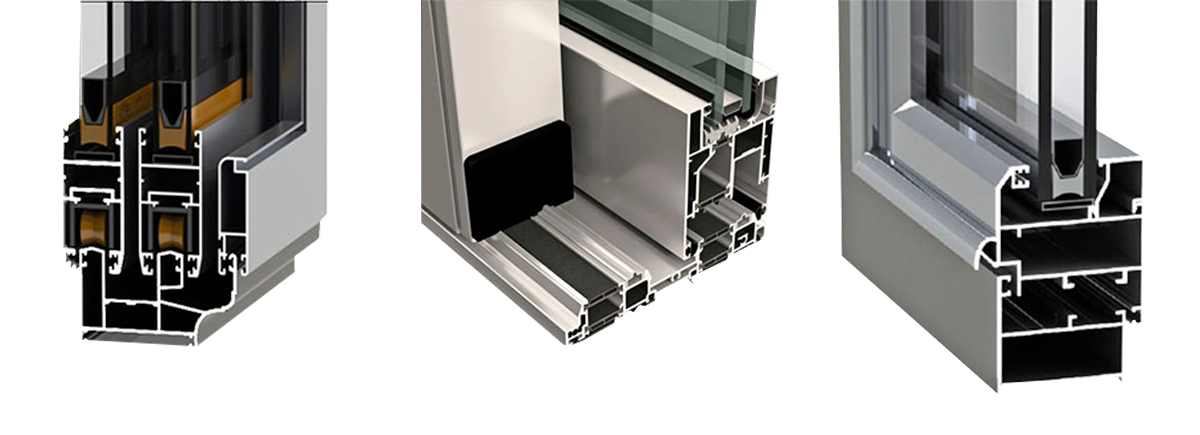
Polyamide is actually an insulation between the outer wall and the inner wall of the window. In fact, the polyamide blade cuts the connection between the outer and inner environment. The use of polyamide blades in aluminum profiles for the production of double-glazed windows causes the heat transfer coefficient of aluminum to decrease from 203 to below 4. In fact, polyamide cuts off the conductivity in aluminum alloy. The specifications of the profile and the shape and placement of the polyamide are very important in determining this number. Aluminum is sewn inside and outside.
Polyamide blades are made of polyamide 6.6 with 25% fiberglass, whose heat transfer coefficient is equal to 0.3 w⁄m^k, which greatly reduces energy loss in the aluminum thermal break window.
Polyamide withstands temperatures up to 250 to 400 degrees Celsius and does not create any restrictions during the furnace paint operation for the profile, because the aluminum profile is sent to the furnace paint after sewing the polyamide. *The role of polyamide in the thermal break window*
What are the factors affecting the properties of polyamide?
Now that we have briefly familiarized ourselves with the structure and production methods of polyamide, it is time to examine the properties and characteristics of this polymer. In order to know what the characteristics of polyamide are, we must examine the following factors:
The degree of crystallinity of the polymer
Moisture absorption
Percentage and type of softeners and enhancers
What are the important characteristics of polyamide?
Now, after examining the factors affecting the properties of polyamides, it is time to know what the most important properties of polyamide are:
- Flammability
- Can be cooked and sterilized
- High moisture absorption
- Excellent strength
- High chemical resistance against acids and solvents
- Flexibility
- Good shock absorption
- Unparalleled abrasion resistance
- High fatigue resistance
- Resistant to cracking
- Burst resistant