


Aluminum anodization
Aluminum anodization is a chemical and electrical process that forms a resistant and protective oxide layer on the surface of aluminum with the help of electrolytes and electric current. This process is used to improve the surface properties of aluminum and increase its resistance to corrosion, wear, beauty and other properties.
Aluminum anodizing is one of the methods of painting aluminum, which, in addition to beauty, also strengthens the profile. In this article, we will examine this process and examine the general concepts of aluminum profile anodization. In general, making an aluminum profile with a desired color is no longer far from expected.
Anodizing is a chemical process in which a layer of aluminum oxide is created on the surface of aluminum. This layer of aluminum oxide increases the strength and hardness of the aluminum surface And it can also act as a coating resistant to corrosion and other surface damage. In this process, the aluminum is first cleaned and then immersed in an acidic solution. After a layer of aluminum oxide is formed on the aluminum surface, it is washed with water and dried.
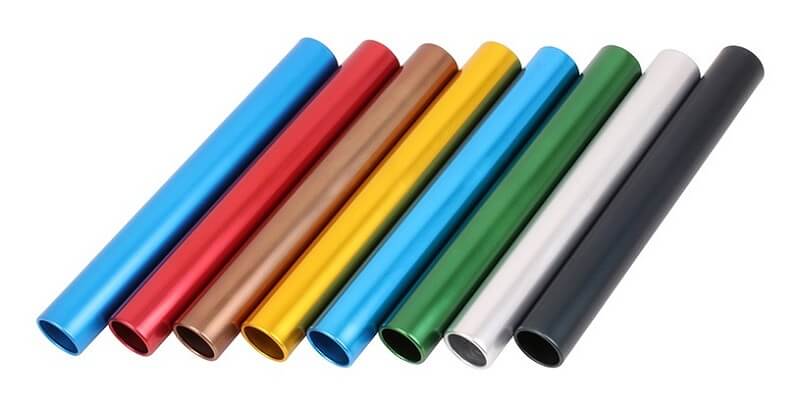
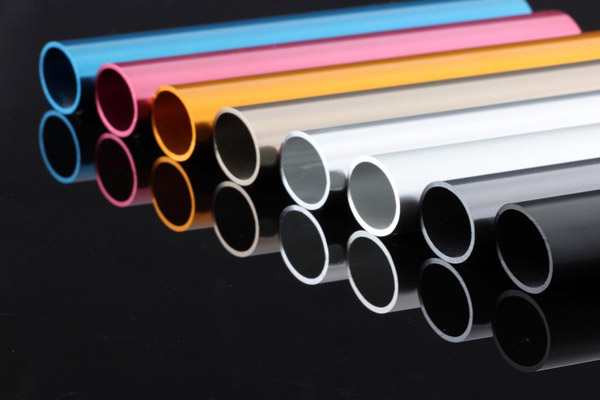
How is anodized aluminum? Anodize aluminum profile
Aluminum profile is usually not used without anodizing treatment. The surface of the aluminum profile is vulnerable after the extrusion process.
Aluminum profile anodizing puts a layer of aluminum oxide on the surface of the extruded profile. This oxide layer usually has a diameter between 10 and 20 microns or even more.
You may have a question that the aluminum profile without anodization oxidizes naturally, why should we oxidize it with anodization?
In answer, we can say that the surface oxide of non-anodized aluminum is very thin. This oxidized surface may be removed from the aluminum surface for any reason, and the underlying layers of the surface may be damaged.
Also, the anodized aluminum profile is more workable and accepts paint better.
In the following, we will learn more about the anodizing operation and study its methods and benefits.
General concepts of aluminum anodizing - aluminum anodizing
Anodizing is a set of operations that increases hardness, corrosion resistance, creates a decorative appearance and changes some of their physical properties by forming a thin oxide layer on aluminum parts. The general mechanism of action is that the direct current of electricity passes through a suitable electrolyte liquid in which aluminum is the anode and another suitable metal is the cathode.
In this case, a thin layer of oxide is formed on the aluminum surface, the thickness of which depends on various factors.
Aluminum oxidizes under normal conditions, so that in the vicinity of air, a layer of oxide with a thickness of 0.01 micron and non-porous is formed on the surfaces of aluminum parts, which protects the surface of the metal in the environment. but the superiority and advantage of the oxide created in the anodizing method compared to natural conditions is its greater resistance to corrosion.
What are the types of aluminum anodization?
Aluminum profile anodizing is done by two anodic or electrochemical methods and chemical or chromating method.
- Aluminum anodization by electrochemical method
- Chromating or chemical method
Electrochemical anodization steps
Electrochemical anodization of aluminum profile is a complex process that forms a layer of aluminum oxide on the aluminum surface using electrolytes and electric current. This process is done in several steps:
Steps of chromate anodization
Aluminum profile chromate anodization is a different process that differs from conventional electrochemical anodization using chromate electrolytes. This process is usually used to create a stable and resistant oxide layer on the aluminum surface. The stages of chromated anodization of aluminum profiles are:
- Surface preparation: As with conventional electrochemical anodization, first the surface of the aluminum profile must be very clean and prepared. This includes cleaning the surface of any dirt and oil, grinding to remove cracks and surface imperfections, and plating to remove any oil and grease.
- Electrolyte preparation: The electrolyte for chromate anodization usually consists of solutions of chromate and sulfate. This electrolyte must have a specific pH and concentration and may contain toxic chemicals such as hexavalent chromate, which requires special care.
- Implementation of the anodization process: after preparing the surface and the electrolyte, the aluminum profile is placed inside the electrolyte as an anode (needle). An electrode (cathode) is also placed in this electrolyte. Then an electric current is applied, which causes electrons to be discharged from the surface of aluminum and oxidation of aluminum to aluminum oxide. In this process, the chromated electrolyte causes the formation of a resistant and stable oxide layer on the surface of the profile.
- Post-preparation and the end of the process: After the anodizing process is finished, the aluminum profile is removed from the electrolyte and cleaned from the electrolyte by electroplating and washing. The profile may then be subjected to other processes such as painting or conventional undercoating.
It is important to know that chromate anadase may have high health and environmental risks due to the use of toxic chemicals and hazardous work environments. Therefore, it is necessary that this process be carried out by experts and with strict respect for safety and the environment.