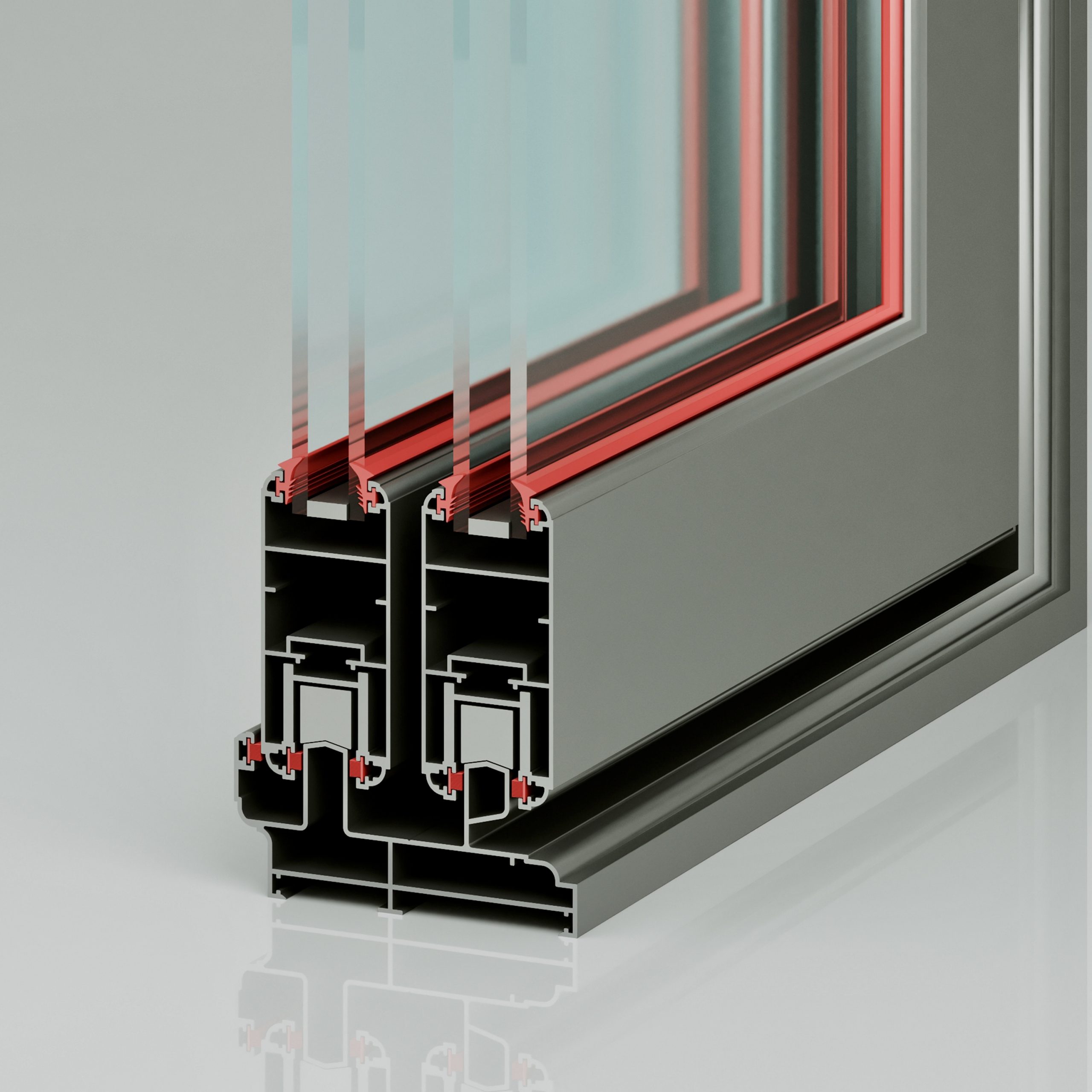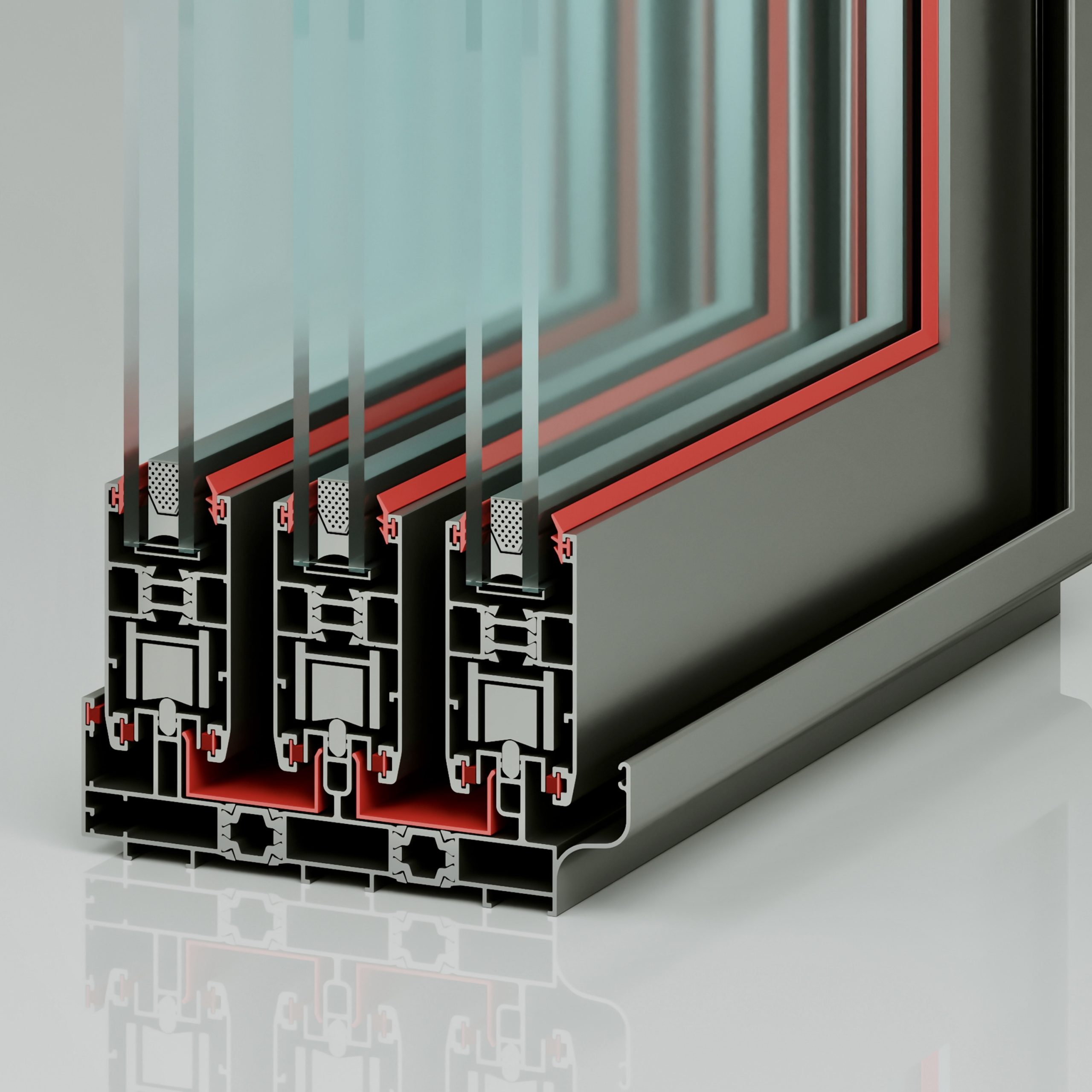


Heat brake sewing machine

In the category of sewing machines with heat brakes, these machines are divided into two categories

Thermal brake opening machine
Heat brake sewing machine

The general task of the thermal break slitting device is to create the necessary teeth in order to create shear resistance when placing the profile and polyamide together and increase the strength, and prevent the polyamide from loosening and slipping on the groove surface of the aluminum profile.

The action of the heat brake sewing machine, equipped with dials with a precise pressure gauge, is to press the aluminum coil onto the polyamide and create a line between the coil and the polyamide. This sewing pressure usually ranges between 450 and 520 N/m.
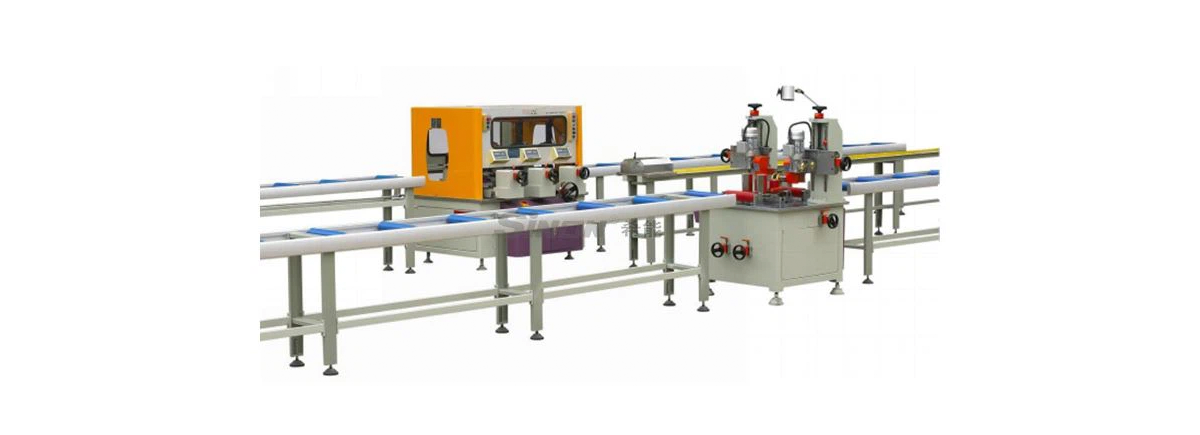
Technical information of thermal break sewing machine:

1- The ability to adjust the height of the device according to the height and position of the user

2- Pulleys with electric and adjustable bearings

3- The ability to control the pressure entering the file, as well as the presence of a digital display screen

4- Possibility of modification for sewing all types of thermal break profile chains

5- The possibility of a PLC system and an inverter for the device’s electrical system

6- The possibility of manual sewing through two 6-meter conveyors with the possibility of adjusting the height
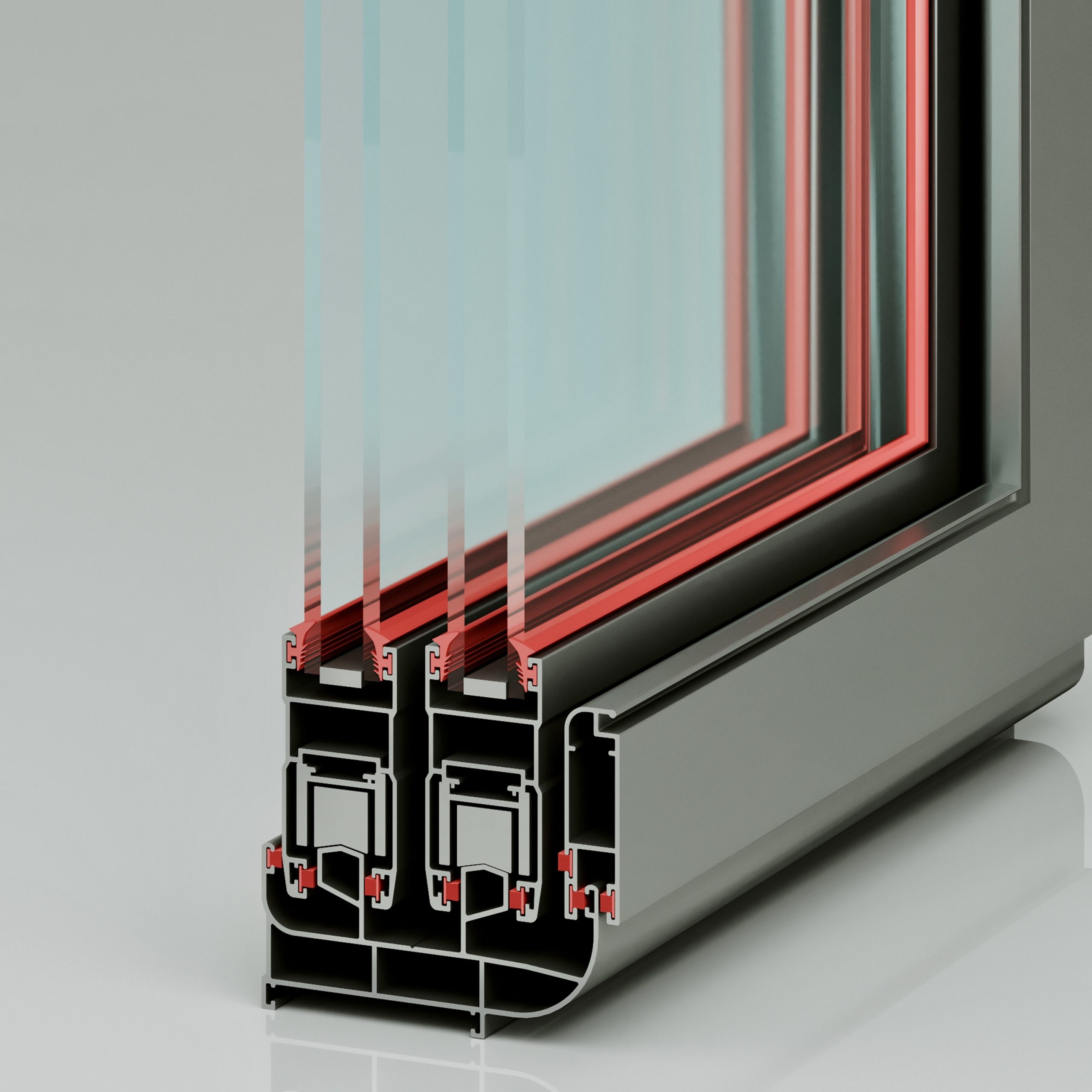
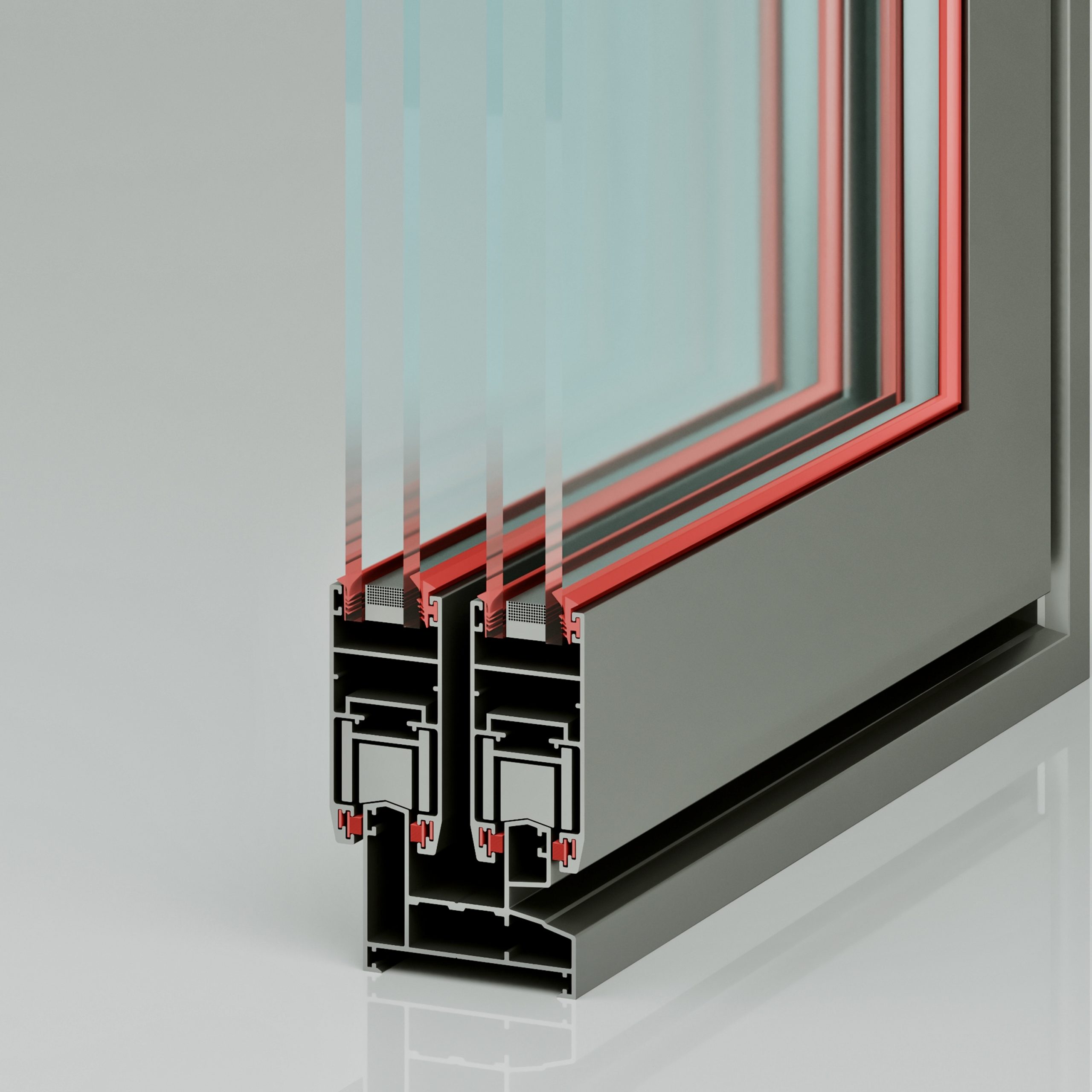
Thermal break in English:

Break sand in English is literally from two words: thermal, which means temperature, and break, which means broken or separated. In fact, thermal insulator is translated and presented in English as heat insulator. Although the main nature and profile strength are due to aluminum metal, its thermal conductivity has been completely broken by hammering application. Heat break profile, temperature break profile, thermal conductivity blocker profile are other meanings of heat break profile in English. In fact, the term thermal insulation refers to the window's performance against heat and conduction, and actually refers to aluminum windows enhanced against conduction.

Method of producing the thermal coil

1- Initial design stage:

After designing the required sectors for the thermal insulation window, each section of the thermal insulation window is divided into two internal and external sections. In designs, the inner part tries to be stronger than the outer part. In order to embed polyamide insulating tape into the heat-insulating aluminum profiles, V-shaped grooves are created on the side surface of the coil which are supposed to be connected to each other. These grooves are the location of the polyamide insulating blade. Before attaching the sections to each other, all the required heat treatment is performed on the aluminum sections, so that the process of attaching the aluminum sections to the polyamide blade is the final process for producing thermal insulation sections. Now, the inner and outer parts with thermal break blade with 6 meter length dimensions are brought together through V-shaped grooves.

2- Sewing and assembly stage:

After the three sections are assembled together, they are transported to the final assembly station. The sections are passed through a special machine called a heat brake coil sewing machine. The sewing process is completed by pressing the machine's rollers onto the aluminum profiles. The pressure generated by the machine's rollers first collapses the said V-grooves and then clamps the blade between the grooves. This method is performed with such precision and pressure that it becomes completely impossible to re-separate the polyamide blade from within the grooves. Which indicates the high strength of the clips produced. The physical properties of the polyamide blade as well as the shape of its cross section will prevent any twisting, bending or misalignment between the two contact sections.

The difference between thermal brake and ordinary aluminum:

Despite the fact that the same type of alloy (alloy 60-63) is used in the production of ordinary and heat-insulating aluminum profiles, there is a significant difference in these profiles. In normal sections, melt and waste sections are used to try to reduce the overall price, but in thermal insulation sections, first-class materials and raw aluminum fabric are always used.
But the main difference between regular and thermal aluminum profiles lies in their production process. Regular aluminum profiles are produced in one step using pressing machines or extruders. However, in thermal insulation sections, as we mentioned, the internal and external parts of the coil are produced separately and then linked together by an insulating, non-conductive blade made of polyamide. The production of thermal profiles is always more expensive than regular aluminum profiles due to the multi-step process and use of first-class raw materials. Today, the use of ordinary aluminum profiles in the construction of double-glazed windows is not only considered an advantage and an advantage, but due to the high thermal conductivity of the profiles used, the finished products are considered non-standard and low-efficiency windows. .

Advantages of thermal insulated aluminum windows with double glazing

Thermal insulating aluminum windows have many features, but their outstanding advantages include high strength, good thermal insulation, fire resistance, high resistance to atmospheric corrosion, high performance and long life. Among other features of thermal insulated aluminum windows, the following can be mentioned:

Multi-room profiles:
In addition to increasing the insulation coefficient, the installation of internal walls and mesh in thermal insulation sections increases the strength of the section against bending and torsion forces.
Possibility of installing all types of glass:
في أنظمة الأبواب والنوافذ المصنوعة من الألومنيوم العازل للحرارة، من الممكن استخدام زجاج بسماكات مختلفة. يعد استخدام الزجاج المفرد والمزدوج والثلاثي سمة أخرى لهذا النوع من النوافذ. في النوافذ العازلة للحرارة، يمكنك اختيار زجاج خاص يصل سمكه إلى 40 ملم لنافذتك.
Variety of dimensions and colors:
أدى تنوع التصميمات والألوان وأنواع الفتحات في مقاطع العزل الحراري إلى تلبية احتياجات وأذواق كل مستهلك في شكل نوافذ زجاجية مزدوجة.
Corrosion resistance:
Thermal insulating aluminum windows are completely resistant to harmful environmental factors such as rain, snow, sunlight, dust, etc., and their original shape is maintained throughout their life. Coatings created on thermal insulation sections in the form of paint and oxide ensure the resistance of these sections for many years.
High strength:
The very suitable bending and torsional strength of thermal insulation profiles has caused this type of window to not need any secondary profile for reinforcement. The restrictions on building large windows found in upvc systems are removed by strengthening the thermal insulation profiles.
Adequate sound insulation:
The ability to use double-glazed and triple-glazed windows in thermal insulation windows has turned this type of window into a sound protector against noise pollution.
Low heat transfer coefficient:
Thermal insulating aluminum doors and windows have heat insulating strips, so in winter and summer it can greatly reduce waste and heat loss. Therefore, the energy saving and environmental protection effects of thermal insulated windows are an important advantage and advantage.
Heat and flammability resistant:
Thermal break coils are completely flame and heat resistant. There is no temperature limit for using this type of profile. You can use thermal insulated doors and windows in places with special thermal conditions.
Proper connection of departments:
Use of this mechanical connection (pinch) when using the disconnected connection due to severe tightness. This connection is made of a high-quality aluminum thermocouple with a complete plug. Pressing syllables using a keyboard creates a tight connection between the syllables.
Proper connection of departments:
The materials used in the production of thermal insulation profiles can be reused in the production cycle of similar products. This property of aluminum has led to its use in the production of other products by remelting.

Best thermal break profile:

Today, a wide range of thermal insulation profiles are produced on the market, each of which has different shapes, dimensions and technical specifications. Perhaps for those of you who intend to buy a thermal insulating window, it will be difficult to choose the best thermal insulating profile to make a window with such a large amount of profiles. Before any clarification, we would like to remind you that choosing high-quality consumables such as profile is not the final guarantee of windows, but it can be the first step in checking the quality of the window. Therefore, include sensitivity in other parts of the window, such as production, fittings and window installation in your checklist. Here we will give you some important factors in choosing the best thermal insulation profile.

1- Aluminum alloys used in the production of sections:

The use of alloy 63-60 is currently the best type of alloy used in the production of thermal fracture sections. Aluminum alloy 6063 can be considered one of the most widely used types of aluminum alloy in the production of various industrial sections. Very suitable formability, high corrosion resistance and very good anodizing effect, and finally average machinability are the characteristics of this alloy. Magnesium and silicon elements are always used as the main alloys for aluminum 60-63.

2- Quality of polyamide sewing step:

The sensitivity of the polyamide stitching section of the aluminum coil is directly related to the durability and safety of the thermal break coil. Seeing a sample a few centimeters away from the thermal insulation coil can prove to you the quality of the polyamide stitching to a great extent. After the step of bonding the polyamide to the aluminum section, the sections must not be separated from each other in any way.

3- Diversity of departments in the brand:

The wide range of production products and the completion of the product range according to the needs of each project, along with other aluminum products in demand in the facade sector, more than anything else, represent the investment of thermal insulation profile manufacturers. When choosing the best brand of thermal insulation clips, always choose from a well-known company that produces a variety of products.

4- The necessity of using polyamide:

The problems caused by using PVC instead of polyamide may only ensure the durability and quality of your profile for a few years. Make sure to use polyamide materials in thermal insulation sections.

5- The appropriate weight of the clips:

The appropriate wall thickness and number of meshes considered are directly related to the bending strength of the profiles. The thickness of the main walls in the sides of thermal insulated doors and windows must not be less than 2 mm. The weight of the main sections, including the thermal insulating window frame, the window frame, and the middle section must be between 1200 and 1400 grams per meter of length.

6- Obtaining valid quality and technical certificates:

As for quality certificates from reliable internal and external audit institutions, they confirm compliance with production instructions for each production unit.

Final conclusion:

Thermal insulation and reducing heat transfer is one of the most important features of thermal insulation coils. If you want to purchase a double-glazed aluminum window, make sure that the sections used in the construction of your window are thermally insulated. There is no reason or justification that can present the efficiency of ordinary and old aluminum windows as a good and high-quality window. The very low efficiency of these windows becomes more evident in the winter, as the temperature surrounding the window remains cold forever. There is no advantage between UPVC windows and thermal insulated windows. Your budget will be crucial in choosing the type of windows.